
Sometimes, creating a more organized home starts with something other than a storage bin or a weekend spent decluttering. It starts with changing the way we think about the things we own.
Our belongings often carry memories, emotions, aspirations, and even a sense of security. It's no wonder that deciding what to keep and what to let go of can feel surprisingly complicated.
Whether you're looking to simplify your home, become more intentional about what you bring into it, or better understand your relationship with your belongings, there are some wonderful books that can help you get started.
Here are the four books I recommend adding to your reading list if you're interested in creating a home that feels a little lighter, more functional, and more intentional.
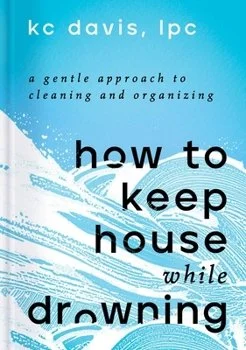
How to Keep House While Drowning by KC Davis
Keeping a home doesn't always come easily, and sometimes the traditional advice about cleaning, decluttering, and staying organized can feel more overwhelming than helpful. That's where How to Keep House While Drowning comes in.
Written by KC Davis, this book takes a compassionate, judgment-free approach to household management. Davis challenges the idea that a clean home is a reflection of personal discipline or worth and instead encourages readers to view household tasks as acts of care for themselves and the people they live with.
The book offers practical ways to approach everyday responsibilities like laundry, dishes, and general tidying when time, energy, or motivation are limited. Rather than striving for perfection, Davis encourages readers to prioritize what matters, create manageable routines, and find systems that accommodate their actual lives.
One of the biggest takeaways is that your home doesn't have to look perfect to be functional, comfortable, or worthy of enjoying. Sometimes, getting through the day means doing the bare minimum, and that's okay.
Why I recommend it: I think this is an important read for anyone who feels overwhelmed by the demands of maintaining a home. It offers a different perspective on what it means to be organized and reinforces something I believe strongly: the best home management systems aren't the ones that look the prettiest; they're the ones that make everyday life easier.
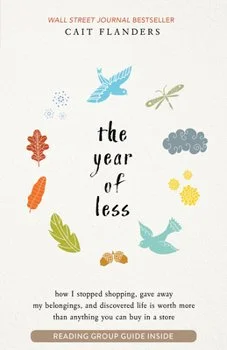
The Year of Less by Cait Flanders
What if the best way to get your home under control wasn't to organize what you own, but to stop bringing so much into it in the first place?
In The Year of Less, Cait Flanders documents her experience spending a year intentionally consuming less. After recognizing how much of her life revolved around shopping and accumulating possessions, she decided to challenge herself with a yearlong shopping ban.
The book follows her experience as she confronts her spending habits, reevaluates her relationship with material possessions, and discovers what she actually needs to feel fulfilled.
What makes this book particularly interesting is that it's not simply about saving money or having a minimalist home. It's about recognizing the habits and emotions that can drive us to consume more than we need.
I love the reminder that organizing isn't necessarily about finding better ways to accommodate more stuff. Sometimes, the most effective organizing strategy is being more thoughtful about what comes through the front door in the first place.
Why I recommend it: This is a great read for anyone who wants to be more intentional about shopping, reduce unnecessary purchases, and create a home that isn't constantly filling back up with things.
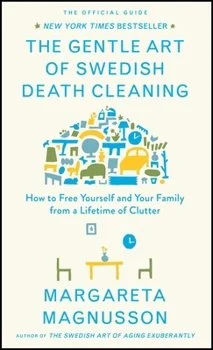
The Gentle Art of Swedish Death Cleaning by Margareta Magnusson
Despite its slightly intimidating title, The Gentle Art of Swedish Death Cleaning is actually a surprisingly comforting and practical read.
Margareta Magnusson introduces the Swedish concept of döstädning, or death cleaning: the process of gradually sorting through your belongings so that your loved ones aren't left with the responsibility of doing it after you're gone.
But this book isn't just about preparing for the end of life. It's about considering what we own, why we own it, and whether those belongings are adding value to our lives today.
Magnusson encourages readers to take a thoughtful approach to letting go, starting with the things that are easiest to part with and working toward more sentimental belongings. She also reminds us that our loved ones may not necessarily want to inherit every object we've accumulated throughout our lives.
One of my favorite takeaways is the idea that our homes should reflect the lives we're living now, rather than simply serving as storage for everything we've ever owned.
Why I recommend it: You don't have to be approaching retirement or planning for the future to benefit from this book. It's a wonderful reminder that simplifying your home can be an act of consideration for both yourself and the people you love.
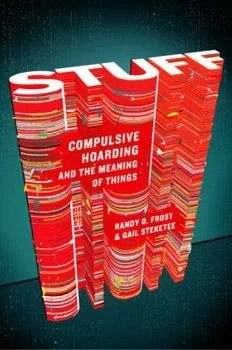
Stuff: Compulsive Hoarding and the Meaning of Things by Randy O. Frost and Gail Steketee
If you've ever wondered why it can be so difficult to let go of certain belongings, Stuff is a fascinating place to start.
Written by psychologists Randy Frost and Gail Steketee, this book explores the psychology of hoarding and the complicated emotional relationships people can develop with their possessions. Through real-life stories and research, the authors explore why people accumulate things, what makes letting go so difficult, and how our belongings can become intertwined with our identities and experiences.
What I particularly appreciate about this book is its compassionate approach. It encourages readers to look beyond the physical clutter and consider the emotions, experiences, and thought processes behind it.
Even if you don't struggle with excessive clutter, this book offers an interesting perspective on why we hold onto things. It can help you approach decluttering with more patience, understanding, and empathy, both toward yourself and others.
Why I recommend it: Understanding the emotional side of clutter can make a tremendous difference in how we approach organizing. It's a reminder that decluttering isn't always as simple as deciding whether something belongs in the donation pile.
A Final Thought: It's About More Than Having Less
Each of these books approaches our relationship with possessions a little differently, but they all share an important underlying message: our belongings should support our lives, not complicate them.
An organized home doesn't have to be minimalist, perfectly styled, or completely free of clutter. It should reflect the people who live there, accommodate their needs, and make everyday life a little easier.
At Making Room Organizing Services, I believe that organizing is about creating systems that work for your life, not forcing your life to fit into someone else's idea of an organized home.
If you're feeling overwhelmed by your belongings, start with a book, a single drawer, or one small area of your home. You don't have to transform everything overnight.
Sometimes, making room for the life you want starts with rethinking the things you're holding onto.
If you're ready to make some changes but aren't sure where to start, Making Room Organizing Services is here to help. We offer personalized, judgment-free home organizing throughout the NH Seacoast and surrounding communities. Whether you're tackling one overwhelming space or looking to create more functional systems throughout your home, we'd love to help you make room for what matters.
